Category: Uncategorised

Winter Construction Projects That Benefit from Professional Commercial Scaffolding

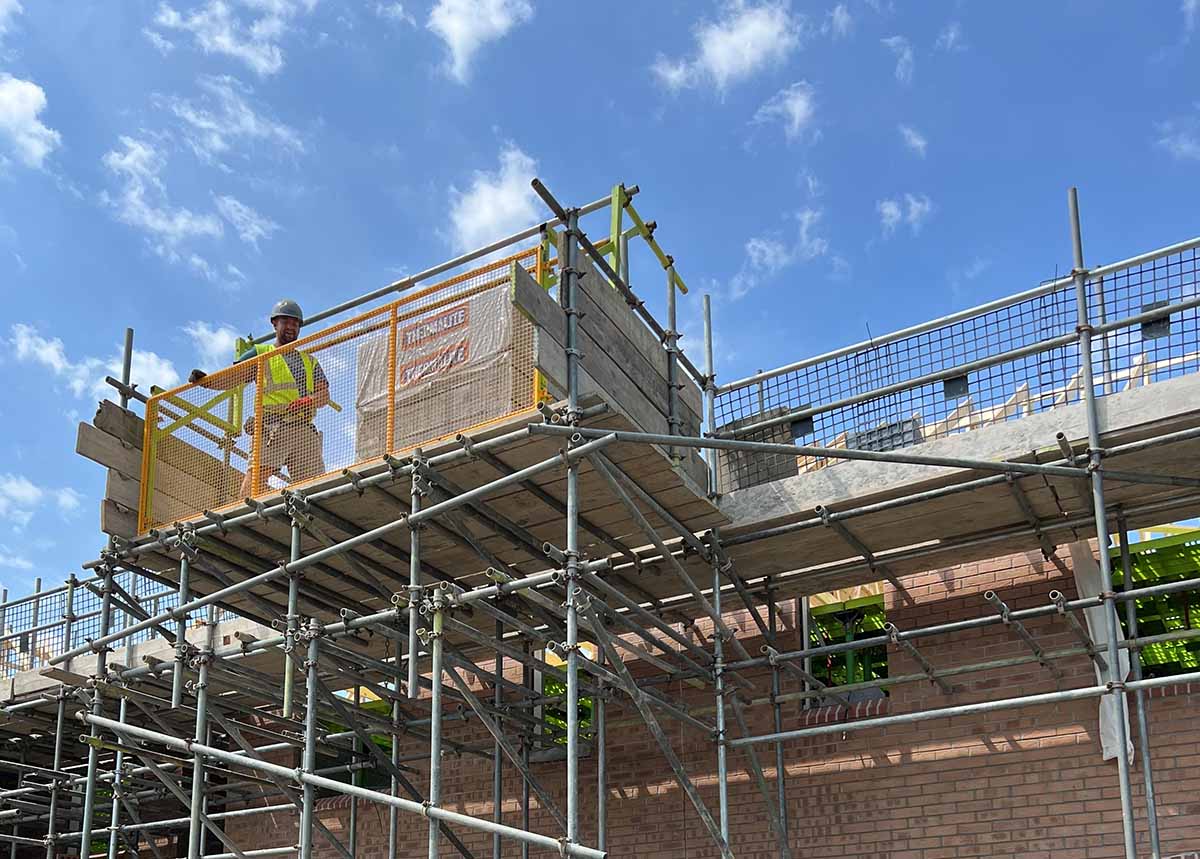
As the winter chill settles over Yorkshire, many businesses might be tempted to put their construction and renovation projects on hold. However, savvy facilities managers and business owners know that the off-season can be an ideal time for certain types of projects, especially when supported by professional commercial scaffolding.

At Elite Scaffolding, we’ve seen firsthand how winter construction can offer unique advantages. Let’s explore some projects that can benefit from our expert scaffolding solutions during the colder months.

Why Consider Winter Construction?

Before diving into specific projects, it’s worth understanding why winter can be an opportune time for construction:

  • Less disruption to regular business operations
  • Potentially lower costs due to off-season rates
  • Easier scheduling with contractors who may be less busy
  • Completion of projects before the spring rush

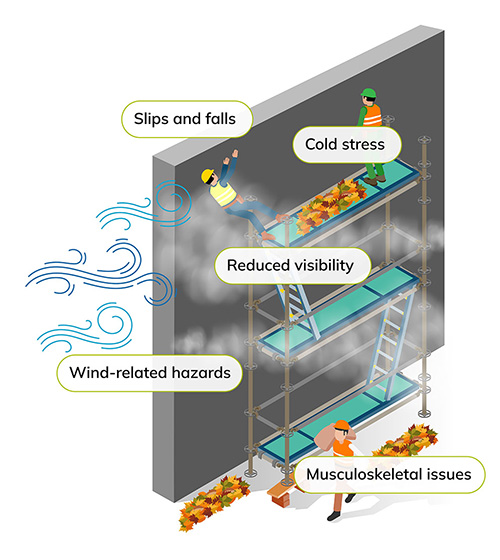
With the right planning and support from commercial scaffolding experts, these advantages can outweigh the challenges posed by colder weather.

Top Winter Construction Projects

1. Interior Renovations and Remodels

While the weather outside might be frightful, interior work can be delightful – and productive.

Benefits of Winter Interior Work:

  • Climate-controlled environment
  • Minimal impact from weather conditions
  • Opportunity to refresh spaces before peak seasons

How Commercial Scaffolding Helps:

  • Provides safe access to high ceilings and hard-to-reach areas
  • Enables efficient movement of materials and workers
  • Supports heavy equipment for major structural changes

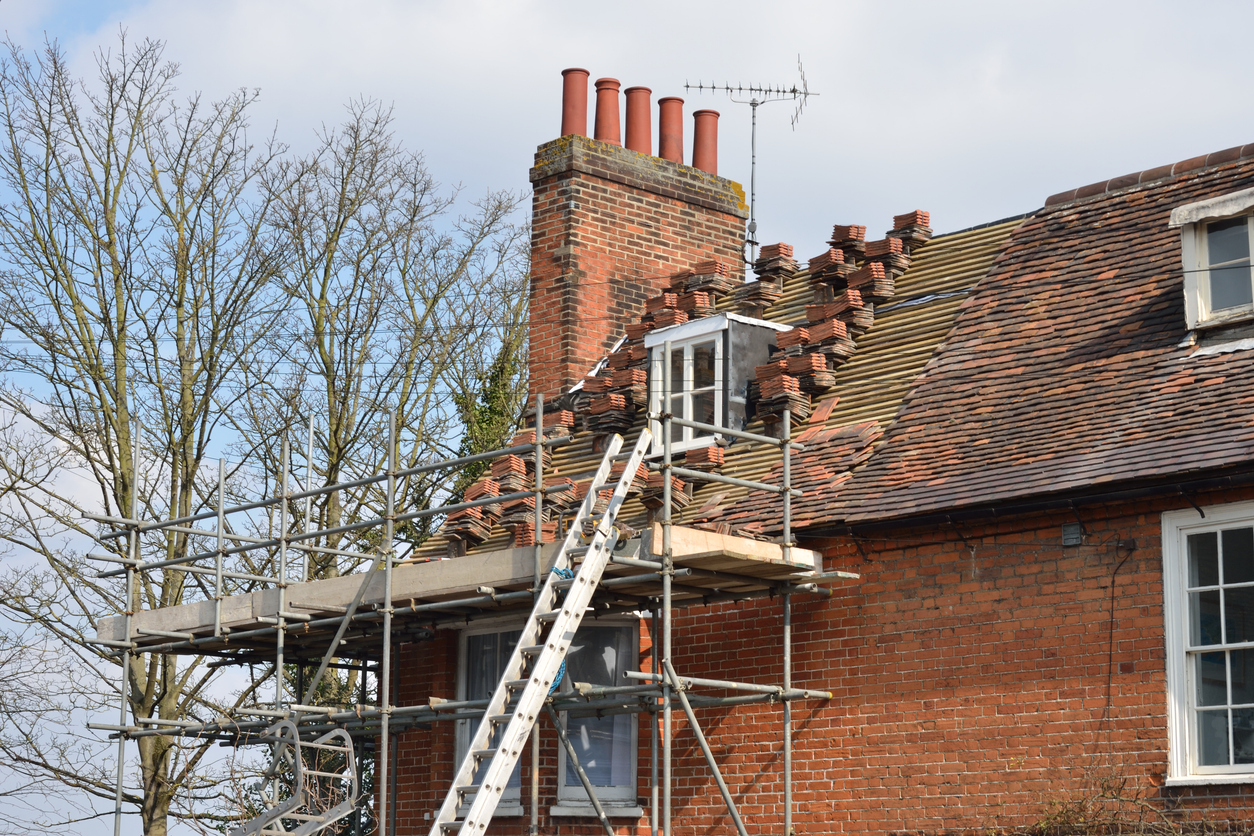
2. Roof Repairs and Maintenance

Winter can be harsh on roofs, making this season an excellent time for inspections and repairs.

Why Tackle Roofing in Winter:

  • Identify and fix issues before spring rains
  • Prevent small problems from becoming major leaks
  • Take advantage of potentially clearer visibility of problem areas

Commercial Scaffolding for Roofing Projects:

  • Offers stable platforms for workers at various heights
  • Provides safety barriers against winter winds
  • Allows for the setup of temporary roofing for ongoing work

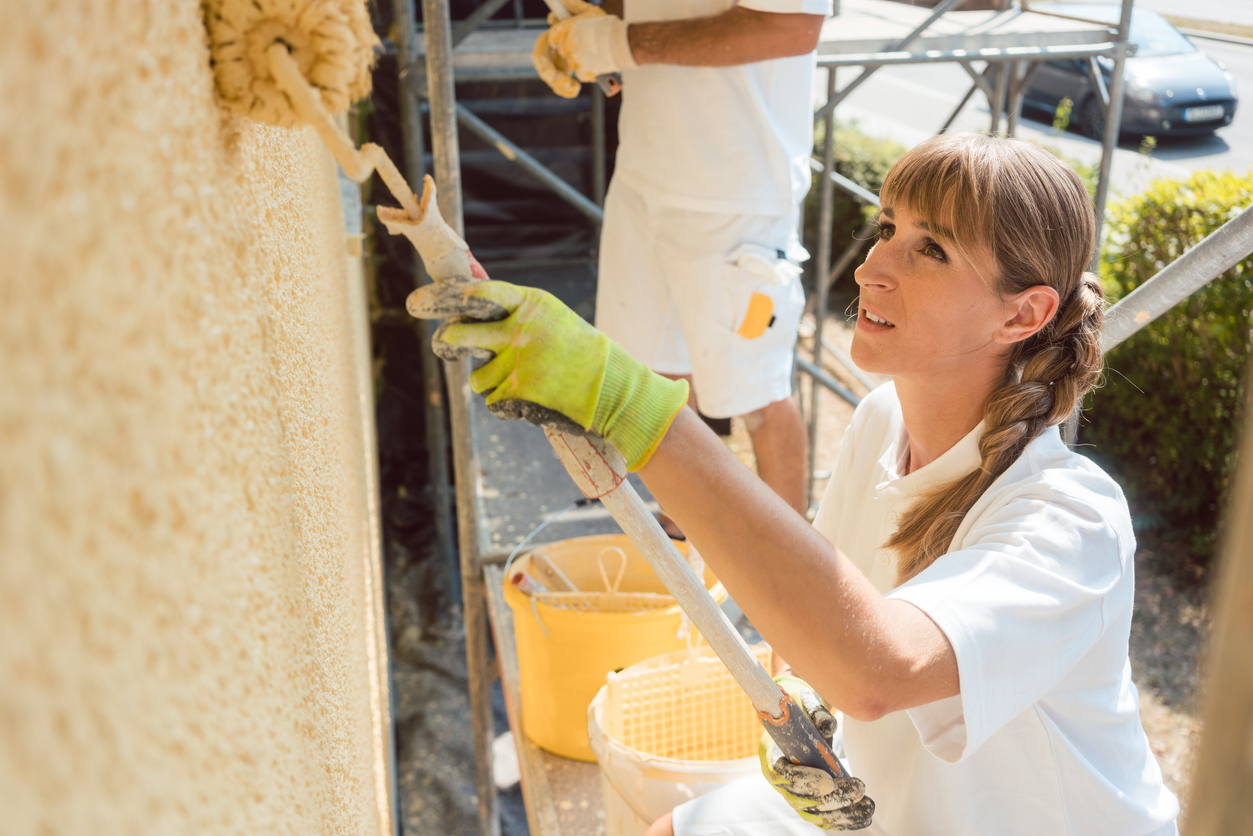
3. Exterior Painting and Weather-proofing

Contrary to popular belief, certain exterior painting and weather-proofing can be done in winter, with the right conditions and materials.

Advantages of Winter Exterior Work:

  • Less dust and debris in the air
  • Quicker drying times in low humidity
  • Reduced interference with landscaping

Leveraging Commercial Scaffolding:

  • Enables precise access to all parts of the building exterior
  • Supports the use of weather protection systems
  • Facilitates the application of specialised cold-weather products

4. Energy Efficiency Upgrades

With energy costs often peaking in winter, it’s an ideal time to implement efficiency upgrades.

Winter Energy Projects to Consider:

  • Installing new windows and doors
  • Adding or upgrading insulation
  • Implementing smart HVAC systems

How Scaffolding Enhances Efficiency Projects:

  • Allows for careful removal and installation of large window units
  • Provides platforms for adding external insulation or cladding
  • Supports the installation of rooftop HVAC equipment

5. Structural Repairs and Reinforcements

Winter can expose structural weaknesses, making it a good time for repairs and reinforcements.

Benefits of Winter Structural Work:

  • Address issues revealed by cold weather stress
  • Prepare buildings for spring thaws and potential water damage
  • Take advantage of reduced occupancy in some commercial spaces

The Role of Commercial Scaffolding:

  • Offers adaptable support for various structural repair needs
  • Provides safe access to compromised areas of the building
  • Enables the careful movement of heavy materials and equipment

Maximising Safety and Efficiency with Professional Commercial Scaffolding

Regardless of the winter project you choose, professional commercial scaffolding is crucial for safety and efficiency. Here’s why Elite Scaffolding should be your partner for winter construction:

  1. Expert Design: Our team creates custom scaffolding solutions tailored to your specific project needs and winter conditions.
  2. Weather-Ready Equipment: We use high-quality materials designed to withstand Yorkshire’s winter weather.
  3. Safety First: Our scaffolding meets and exceeds all safety standards, with additional measures for winter-specific risks.
  4. Efficiency Boosters: Our setups are designed to maximize worker productivity, even in cold conditions.
  5. Flexible Solutions: We can adapt our scaffolding as your project evolves, ensuring you always have the support you need.

Planning Your Winter Construction Project

To make the most of your winter construction plans:

  1. Start Early: Begin planning well in advance to secure contractors and materials.
  2. Consider Weather Patterns: Work with local climate data to choose the best timing for your project.
  3. Prepare for Contingencies: Have plans in place for severe weather delays.
  4. Prioritise Safety: Ensure all workers are trained for winter conditions and have appropriate gear.
  5. Partner with Experts: Choose experienced professionals like Elite Scaffolding who understand the unique challenges of winter construction.

Ready to elevate your winter construction plans?

Winter construction projects, when properly planned and supported by professional commercial scaffolding, can offer significant benefits to businesses. From interior renovations to structural repairs, the off-season presents opportunities to improve your facilities with minimal disruption to your operations.

At Elite Scaffolding, we’re committed to helping Yorkshire businesses make the most of every season. Our expert commercial scaffolding solutions are designed to enhance safety, efficiency, and success in your winter construction projects.

Contact us today on 01423 789 312 for a free consultation, or fill out the form below, and let’s work together to transform the winter months into a season of productivity and improvement for your business.
Scaffolding Health and Safety: Your Complete Guide to UK Regulations and Compliance

Scaffolding health and safety remains one of the most critical concerns in the UK construction industry, where falls from height continue to be the leading cause of workplace injuries and fatalities. With proper implementation of safety regulations and best practices, construction companies can create secure working environments that protect workers while avoiding costly incidents and legal complications.

Understanding UK Scaffolding Health and Safety Regulations

The foundation of scaffolding health and safety in the UK rests on several key legislative frameworks that work together to create comprehensive protection standards.

The Work at Height Regulations 2005 (WAHR)

The Work at Height Regulations 2005 form the cornerstone of scaffolding health and safety legislation. These regulations mandate that all work at height must be properly planned, supervised, and executed safely. Crucially, any scaffolding platform exceeding 2 metres above ground level requires appropriate edge protection, including guardrails and toe boards.

Under WAHR, employers must conduct thorough risk assessments and select suitable equipment based on specific task requirements. This regulation ensures that scaffolding health and safety considerations are embedded into project planning from the outset.

Health and Safety at Work Act 1974

This foundational act creates a broader framework for workplace safety, placing legal duties on employers to protect their workforce and anyone affected by their operations. Within the context of scaffolding health and safety, this means ensuring adequate training for all scaffold users and maintaining safe working environments through comprehensive risk assessments.

Construction (Design and Management) Regulations 2015

The CDM regulations specifically address project management responsibilities, requiring those overseeing construction projects to ensure scaffolding is properly designed, planned, and risk-assessed before work begins. This regulation integrates scaffolding health and safety into the broader project management framework.

Scaffolding Health and Safety - Elite Scaffolding

What Are the Key Components of Scaffolding Safety Compliance?

Effective scaffolding health and safety compliance involves multiple interconnected strategies that construction companies must implement systematically.

Competency and Professional Training

Certified Personnel Requirements Only trained professionals should handle scaffolding erection, alteration, dismantling, and inspection. The Construction Industry Scaffolders Record Scheme (CISRS) card serves as the industry standard for demonstrating competency in scaffolding health and safety practices.

Workers must complete comprehensive training that includes off-site instruction, on-site experience, health and safety testing, and practical skills assessments. Importantly, trainee scaffolders must always work under supervision from qualified personnel to maintain safety standards.

Ongoing Professional Development Scaffolding health and safety is an evolving field, requiring continuous education and training updates. Regular refresher sessions ensure workers stay current with new safety practices, updated standards, and emerging hazards.

Risk Assessment and Method Statements

Comprehensive risk assessments form the backbone of effective scaffolding health and safety management. Companies like Elite Scaffolding must identify potential hazards associated with working at heights and develop detailed method statements outlining step-by-step safety procedures.

These documents must align with legal requirements and include emergency procedures, ensuring that every aspect of scaffolding operations considers worker safety and regulatory compliance.

How Often Should Scaffolding Be Inspected for Safety?

Regular inspections are fundamental to maintaining scaffolding health and safety standards throughout a project’s duration.

Mandatory Inspection Schedule

Under BS EN 12811-1 Standard, scaffolding structures require inspection by competent persons at specific intervals:

  • Before first use: Complete structural assessment
  • Weekly inspections: Minimum once every 7 days during active use
  • Post-event inspections: After severe weather or any incident that could compromise safety

These inspections must examine foundations, anchorage points, bracing systems, and guardrails to ensure continued structural integrity.

Documentation and Record Keeping

Effective scaffolding health and safety management requires meticulous record keeping. Companies must maintain detailed documentation of scaffold designs, inspection reports, and maintenance activities. These records must be readily available for review by safety inspectors and regulatory bodies.

Scaffold tagging systems using colour-coded indicators provide immediate visual confirmation of safety status, including inspection dates, inspector identification, and relevant safety notes.

Elite Scaffolding - Ripley Castle bespoke heritage scaffolding

What Safety Equipment Is Required for Scaffolding Work?

Proper safety equipment is essential for comprehensive scaffolding health and safety protection.

Fall Protection Systems

Guardrails and Barriers Guard rails must be strong, rigid, and properly fixed to capable structures. Specific height requirements include:

  • Top guard rail minimum 950mm above platform edge
  • Intermediate guard rails ensuring gaps don’t exceed 470mm
  • Toe boards preventing rolling or kicking of objects

Personal Fall Arrest Systems When guardrails prove insufficient, personal fall arrest systems provide additional protection. These systems work in conjunction with other safety measures to create comprehensive fall prevention strategies.

Structural Safety Features

Bracing and Tying Systems Scaffolds require proper bracing and secure tying to permanent structures for stability. Facade bracing must be fitted at every frame to full height, particularly for loading bays and high-stress areas.

Load Capacity Management Each scaffold has specific maximum load capacities that must never be exceeded. General purpose scaffolds typically support maximum loads of 2 kN/m², and clear load capacity signs should be prominently displayed to prevent overloading.

Case Study: How Proper Scaffolding Safety Prevented a Major Accident

The Manchester Office Complex Project

In 2023, a major construction project in Manchester demonstrated the critical importance of scaffolding health and safety protocols. During renovation of a 12-storey office complex, severe weather conditions including 60mph winds struck the site during night hours.

The scaffolding contractor had implemented comprehensive safety measures including:

  • Enhanced bracing systems exceeding minimum requirements
  • Regular inspection schedules with documented reports
  • Proper material securing and debris netting
  • Emergency weather response procedures

When morning inspections revealed potential structural stress, the scaffolding health and safety protocols immediately triggered a comprehensive safety assessment. Minor adjustments were made before work resumed, preventing what could have been a catastrophic collapse.

Cost Impact Analysis:

  • Additional safety measures cost: £15,000
  • Potential accident costs avoided: £2.3 million
  • Prevented injuries: Potentially 15-20 workers
  • Avoided project delays: 6-8 weeks

This case demonstrates how investing in comprehensive scaffolding health and safety measures delivers substantial returns through accident prevention and project continuity.

Case Study: Regulatory Compliance Saves Construction Company

The Birmingham Housing Development

A Birmingham-based construction company faced potential prosecution when initial scaffolding installations failed to meet WAHR requirements. However, their proactive approach to scaffolding health and safety compliance transformed a potential crisis into a success story.

Immediate Actions Taken:

  • Complete scaffolding assessment by certified inspectors
  • Implementation of NASC TG20 guidance standards
  • Comprehensive worker retraining program
  • Enhanced inspection and documentation procedures

Results:

  • Avoided £50,000 in potential fines
  • Prevented 3-month project shutdown
  • Improved worker confidence and productivity
  • Achieved exemplary safety record for remainder of project

The company’s commitment to scaffolding health and safety not only prevented legal consequences but also enhanced their reputation, leading to additional contract opportunities worth over £500,000.

Scaffolding Health and Safety - Elite Scaffolding

Advanced Scaffolding Health and Safety Strategies

Technology Integration

Modern scaffolding health and safety management increasingly incorporates advanced technologies:

Safety Monitoring Systems Real-time monitoring equipment can detect structural stress, weather impacts, and load distribution issues before they become dangerous.

Virtual Reality Training VR training programs provide realistic scaffolding scenarios without physical risks, allowing workers to practice emergency procedures and safety protocols in controlled environments.

Equipment Tracking Systems Digital tracking ensures scaffolding components are properly maintained, inspected, and replaced according to safety schedules.

Stakeholder Engagement

Effective scaffolding health and safety requires coordination among multiple stakeholders:

  • Workers: Regular safety meetings and feedback sessions
  • Clients: Clear communication about safety requirements and procedures
  • Regulatory Bodies: Proactive engagement and compliance reporting
  • Community: Addressing public safety concerns and maintaining positive relationships

Best Practices for Ongoing Safety Management

Continuous Improvement Protocols

Successful scaffolding health and safety programs incorporate continuous improvement through:

Regular Safety Audits Independent safety audits identify potential improvements and ensure ongoing compliance with evolving regulations.

Accident Analysis and Learning When incidents occur, comprehensive investigation processes identify root causes and prevent recurrence through updated procedures and training.

Industry Collaboration Participation in industry forums and safety organizations keeps companies current with best practices and emerging technologies.

Emergency Preparedness

Comprehensive scaffolding health and safety management includes robust emergency response procedures covering:

  • Severe weather protocols
  • Structural failure response
  • Medical emergency procedures
  • Evacuation and rescue operations

The Financial Impact of Scaffolding Health and Safety

Investing in comprehensive scaffolding health and safety measures delivers measurable financial benefits:

Direct Cost Savings:

  • Reduced accident-related expenses
  • Lower insurance premiums
  • Avoided regulatory fines and prosecution costs
  • Decreased project delays and associated costs

Indirect Benefits:

  • Enhanced company reputation
  • Improved worker morale and retention
  • Increased client confidence and repeat business
  • Competitive advantage in contract bidding

Research indicates that every £1 invested in scaffolding health and safety measures typically returns £3-5 in avoided costs and improved productivity.

Scaffolding Health and Safety - Complete Guide by Elite Scaffolding

Future Trends in Scaffolding Health and Safety

The scaffolding industry continues evolving with new technologies and approaches:

Digital Integration Internet of Things (IoT) sensors and data analytics will increasingly monitor scaffolding conditions in real-time, predicting maintenance needs and safety concerns before they become critical.

Regulatory Evolution UK safety regulations continue adapting to incorporate new technologies and reflect changing industry practices, requiring ongoing attention to compliance requirements.

Sustainability Integration Environmental considerations are increasingly integrated with safety requirements, promoting sustainable scaffolding practices that protect both workers and the environment.

Building a Culture of Scaffolding Safety Excellence

Effective scaffolding health and safety management requires more than regulatory compliance – it demands a comprehensive culture of safety excellence that permeates every aspect of construction operations. Companies that invest in proper training, equipment, and procedures not only protect their workforce but also achieve superior project outcomes and long-term business success.

The evidence is clear: proactive scaffolding health and safety measures prevent accidents, save lives, and deliver substantial financial returns. In an industry where the stakes are literally life and death, there is no acceptable alternative to comprehensive safety management.

Take Action and Book a Free Safety Consultation

Ready to transform your scaffolding health and safety practices? Don’t wait for an accident to highlight the importance of proper safety management. Contact Elite Scaffolding’s certified scaffolding safety experts today for a comprehensive assessment of your current practices and customized recommendations for improvement.

Our team of CISRS-certified professionals can help you implement industry-leading safety protocols, ensure regulatory compliance, and create the safest possible working environment for your projects. Protect your workers, your business, and your reputation with professional scaffolding health and safety solutions.

Call us today on 01423 789 312 or fill out the form below to schedule your safety consultation.

The Difference Between Commercial Scaffolding and Domestic Scaffolding: A Complete Guide

When planning construction or maintenance work across Yorkshire, understanding the distinction between commercial scaffolding and domestic scaffolding is crucial for project success. Whether you’re managing a high-rise development in Leeds or renovating a residential property in Harrogate, choosing the right scaffolding solution ensures safety, efficiency, and cost-effectiveness.

Commercial scaffolding represents the backbone of major construction projects, providing the structural support and access solutions needed for complex building work. At Elite Scaffolding, we’ve been delivering professional scaffolding solutions across Yorkshire since 2012, and our degree-qualified leadership team understands the critical differences that separate commercial from domestic applications.

What is Commercial Scaffolding?

Commercial scaffolding is a sophisticated access system designed for large-scale construction projects involving office buildings, hospitals, schools, retail centres, and industrial facilities. These temporary structures must withstand greater loads, reach significant heights, and comply with stringent safety regulations that govern commercial construction sites.

Unlike simple domestic applications, commercial scaffolding requires advanced engineering calculations, specialised materials, and certified installation by qualified professionals. The complexity of these systems reflects the demanding nature of commercial projects, where multiple trades work simultaneously at various levels, often carrying heavy materials and equipment.

Commercial scaffolding projects typically involve:

  • Multi-storey building construction or renovation
  • Industrial facility maintenance
  • Retail centre developments
  • Hospital and healthcare facility work
  • Educational building projects
  • Government and public sector buildings

Understanding Domestic Scaffolding

Domestic scaffolding serves residential properties, providing safe access for routine maintenance, renovations, and smaller construction projects. These systems are designed for houses, flats, and other residential buildings where the scale and complexity requirements differ significantly from commercial applications.

Domestic scaffolding solutions focus on providing safe, stable access for tasks such as:

  • External wall painting and decoration
  • Roof repairs and maintenance
  • Window installation and replacement
  • Chimney work and repairs
  • Gutter cleaning and maintenance
  • Small-scale extensions and renovations

While domestic scaffolding may appear simpler, it still requires professional installation and adherence to safety standards. The key difference lies in the scale, duration, and complexity of the access requirements.

Bespoke Scaffolding Solutions - Elite Scaffolding

Key Differences Between Commercial and Domestic Scaffolding

Structural Complexity and Engineering Requirements

Commercial scaffolding demands sophisticated engineering analysis and structural calculations. These systems must support multiple workers, heavy materials, and equipment simultaneously across various levels. The structural integrity requirements are significantly higher, requiring reinforced connections, advanced bracing systems, and often custom-designed solutions.

Domestic scaffolding, while still requiring proper engineering, typically involves standardised configurations with predictable load requirements. The structural demands are generally limited to supporting individual workers and lightweight materials for routine maintenance tasks.

Safety Regulations and Compliance

Commercial scaffolding must comply with comprehensive health and safety regulations governing commercial construction sites. This includes detailed risk assessments, method statements, and compliance with CDM regulations. Regular inspections by qualified personnel are mandatory, and documentation requirements are extensive.

Domestic scaffolding operates under similar safety principles but with scaled-down documentation and inspection requirements. However, professional installation and safety compliance remain essential regardless of project scale.

Height and Access Requirements

Commercial scaffolding regularly extends to significant heights, often requiring specialised components and advanced access solutions. These systems may incorporate stairway access, multiple working levels, and complex configurations to accommodate building design features.

Domestic scaffolding typically operates at lower heights with simpler access requirements. Standard configurations usually suffice for most residential applications, though professional assessment remains crucial for optimal safety and efficiency.

Duration and Weather Resistance

Commercial scaffolding installations often remain in place for extended periods, sometimes months or years for large projects. These systems must withstand prolonged exposure to weather conditions while maintaining structural integrity and safety standards.

Domestic scaffolding projects typically involve shorter installation periods, though the systems must still provide adequate weather resistance for the project duration.

What Type of Scaffolding is Right for Your Project?

Commercial Scaffolding Applications

Commercial scaffolding is essential for:

  • Office Building Construction: Multi-storey developments requiring complex access solutions
  • Industrial Facility Maintenance: Heavy-duty systems for equipment access and structural work
  • Retail Centre Development: Specialised configurations for shopping centre construction
  • Healthcare Facility Projects: Sterile environment considerations and continuous operation requirements
  • Educational Building Work: Safety-focused solutions for occupied buildings

Domestic Scaffolding Applications

Domestic scaffolding suits:

  • House Renovations: External painting, rendering, and general maintenance
  • Roof Work: Repairs, replacements, and maintenance access
  • Window Installation: Safe access for fitting and replacement
  • Chimney Repairs: Specialised access for structural work
  • Garden Building Projects: Garages, extensions, and outbuildings

Types of Scaffolding Systems Available

Traditional Tube and Fitting Scaffolding

This versatile system uses steel tubes and clamps to create custom configurations. Suitable for both commercial and domestic applications, it offers flexibility for irregular building shapes and complex access requirements.

System Scaffolding

Modular components with pre-engineered connections provide faster installation and enhanced safety. Particularly popular for commercial projects requiring standardised configurations and rapid deployment.

Mobile Scaffolding

Wheeled systems ideal for maintenance work requiring frequent repositioning. Commonly used for painting, cleaning, and light maintenance tasks across both commercial and domestic applications.

Bespoke Scaffolding Solutions

Custom-designed systems for unique project requirements. Elite Scaffolding specialises in bespoke solutions for challenging commercial projects requiring innovative access solutions.

Safety Considerations for Commercial vs Domestic Projects

Commercial Scaffolding Safety Requirements

Commercial projects demand comprehensive safety management including:

  • Detailed risk assessments and method statements
  • Regular inspection schedules by qualified personnel
  • Compliance with CDM regulations
  • Integration with site-wide safety management systems
  • Emergency evacuation procedures

Domestic Scaffolding Safety Standards

Domestic projects require:

  • Professional installation and inspection
  • Appropriate safety barriers and access controls
  • Weather condition monitoring
  • Proper maintenance during project duration
  • Clear communication with property occupants

elite-scaffolding-maximising-safety-bellway-web

How to Choose the Right Scaffolding Company

Professional Qualifications and Experience

Select scaffolding contractors with appropriate qualifications, industry experience, and proven track records. Elite Scaffolding’s degree-qualified leadership team brings professional expertise to every project.

Safety Record and Compliance

Verify the company’s safety record, insurance coverage, and compliance with industry standards. Professional scaffolding companies prioritise safety and maintain comprehensive documentation.

Local Knowledge and Availability

Choose contractors familiar with local conditions, regulations, and project requirements. Elite Scaffolding’s Yorkshire-based team understands regional building practices and environmental considerations.

Commercial Scaffolding - Elite Scaffolding

The Future of Commercial and Domestic Scaffolding

Technological Advances

Modern scaffolding incorporates advanced materials, improved safety systems, and digital planning tools. These innovations enhance safety, efficiency, and project outcomes for both commercial and domestic applications.

Sustainability Considerations

Environmental responsibility increasingly influences scaffolding choices. Sustainable materials, efficient installation methods, and waste reduction strategies benefit both commercial and domestic projects.

Regulatory Developments

Evolving safety regulations and building standards continue to shape scaffolding requirements. Professional contractors stay current with regulatory changes to ensure compliance and safety.

Cost Considerations for Different Scaffolding Types

Commercial Scaffolding Investment

Commercial projects require substantial scaffolding investment reflecting the complexity, duration, and safety requirements. However, professional systems provide value through enhanced safety, efficiency, and regulatory compliance.

Domestic Scaffolding Costs

Domestic scaffolding offers cost-effective access solutions for residential projects. While investment requirements are lower, professional installation remains essential for safety and project success.

Raising the Standard of Quality Commercial Scaffolding

Understanding the differences between commercial scaffolding and domestic scaffolding ensures appropriate system selection for your Yorkshire project. Commercial applications demand sophisticated engineering, enhanced safety measures, and professional expertise to handle complex requirements. Domestic projects benefit from scaled-down solutions while maintaining essential safety standards.

Elite Scaffolding has delivered professional scaffolding solutions across Yorkshire since 2012, serving commercial, industrial, and residential clients with expertise and reliability. Our degree-qualified team understands the critical differences between commercial and domestic applications, ensuring optimal solutions for every project.

Whether you’re planning a major commercial development or residential renovation, professional scaffolding expertise ensures safety, efficiency, and success. Contact Elite Scaffolding today on 01423 789 312 to discuss your project requirements and discover how our professional team can support your construction goals.

Useful Links

Navigating the Maze: Top 10 Scaffolding Tips for Retail Projects

At Elite Scaffolding we understand the unique challenges faced by facilities managers in the retail sector, especially when it comes to retail scaffolding projects. From safety and functionality to efficiency and convenience, we know that you need to enhance the retail space while minimising disruptions to team and customers.

With this in mind, here are our top ten scaffolding tips tailored specifically for retail projects. Let’s dive in.

  1. Safety First, Always: It’s non-negotiable. Ensure the scaffolding system meets or exceeds safety standards. Look for features like guardrails, toe boards, and sturdy platforms to protect workers and customers alike.
  2. Customisation is Key: Retail spaces come in all shapes and sizes. Opt for scaffolding solutions that can be customised to fit the unique layout of your store. This ensures maximum efficiency and minimal disruption.
  3. Versatility Matters: Retail environments are dynamic. Choose scaffolding that can adapt to various tasks, from routine maintenance to major renovations. Versatility saves time and money in the long run.
  4. Ease of Assembly: Time is money, especially in retail. Select scaffolding systems that are quick and easy to assemble and disassemble. Minimise downtime and keep your operations running smoothly.
  5. Consider Mobility: Sometimes, you need to move quickly. Mobile scaffolding offers flexibility, allowing you to easily reposition the structure as needed without hassle.
  6. Weight Capacity: Don’t overlook this crucial factor. Ensure the scaffolding can support the weight of workers, tools, and materials without compromise. Safety begins with structural integrity.
  7. Weather Resistance: Retail projects don’t stop for rain or shine. Invest in scaffolding that can withstand the elements, ensuring durability and longevity.
  8. Clear Communication: Keep everyone in the loop. Clearly communicate safety protocols, project timelines, and any potential disruptions to both your team and retail staff to minimise confusion and maximise cooperation.
  9. Regular Inspections: Stay vigilant. Schedule routine inspections to identify any potential hazards or issues before they escalate. Prevention is always better than reaction.
  10. Choose the Right Partner: Last but certainly not least, partner with a scaffolding provider who is fully insured and accredited and understands the unique challenges of retail projects. Seek out expertise, reliability, and a commitment to your success.

When it comes to retail scaffolding solutions in Yorkshire, Elite Scaffolding stands out as the premier choice for facilities managers. With our tailored solutions, commitment to safety and compliance, and exceptional customer service, we’re dedicated to helping you enhance your retail space while minimising disruptions to your business.

If you have a scaffolding project you’d like to discuss, please feel free to phone us on 01423 789 312 email us at info@elitescaffoldingltd.co.uk or fill out the Enquiry Form on our contact page and we’ll be happy to advise.

Get a Free Quote

Please fill out the form below and we’ll get back to you as quickly as possible.